
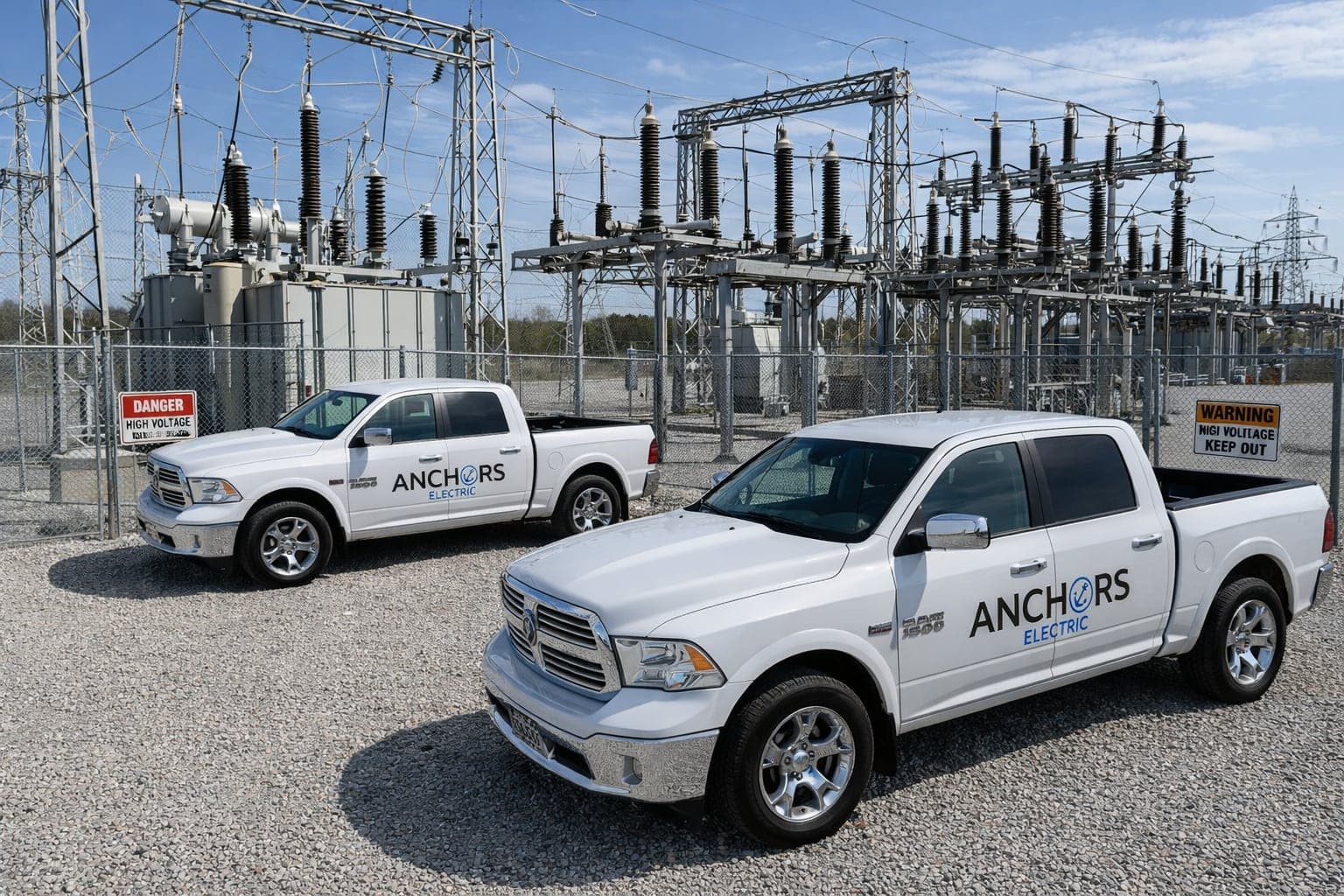
Services
The full commissioning scope, self-performed
Anchors Electric delivers every electrical commissioning discipline in-house — aligned with ANSI/NETA, NFPA, and IEEE standards, and integrated with the owner's project delivery team.
Acceptance & Maintenance Testing
Commissioning of new installations and periodic testing per ANSI/NETA ATS and MTS — switchgear, transformers, relays, breakers, cables, grounding.
Electrical Commissioning
End-to-end Levels 1–5 commissioning support for commercial, industrial, datacenter, healthcare, and utility projects with full compliance documentation.
Integrated Systems Testing
Level 5 / IST — pull-the-plug demonstrations, FMEA, and concurrent-maintainability proofs of the electrical chain against Tier III/IV objectives.
Arc Flash & Coordination
IEEE 1584 arc-flash analysis, short-circuit and protective-device coordination studies, with field labeling and remediation.
Infrared Thermographic Inspections
Level III infrared surveys of energized equipment to identify thermal anomalies before they cause failure.
In-House Calibration Lab
NIST-traceable calibration of electrical test instruments with documented as-found / as-left results and measurement uncertainty.
Oil Analysis
In-house and on-site insulating-oil analysis, including DGA screening and dielectric strength testing.
Troubleshooting & Diagnostics
Fault-finding and power-quality investigations across low-, medium-, and high-voltage systems.
Engineering & Risk Mitigation
Power-system studies, ETAP modeling, and engineering support to reduce operational and personnel risk.
PLC Programming & Testing
Sequence programming, point-to-point verification, and integration testing of PLC-based control systems.
Electrical Safety Consultation
Electrical-safety program development, NFPA 70E training support, and site-specific procedure authoring.
Owner Engineering Support
Independent technical reviews, design intent verification, and Cx-driven punch resolution for owner project teams.
Methodology
Levels 1–5, the hyperscale standard
Each level builds on the previous one, with documented witness, hold, and review points tied to construction milestones.
- L1
Factory Witness Test
FAT witnessed at the OEM's facility — defects caught before equipment ships.
- L2
Site Receiving & Static Inspection
Damage assessment, anchorage and torque audits, insulation resistance, as-built confirmation.
- L3
Component-Level Functional
First energization: relay programming, breaker timing, point checkout, OEM start-up reports.
- L4
System-Level Functional
Subsystems under design conditions: UPS transfers, generator paralleling, witnessed sequences.
- L5
Integrated Systems Testing
Black-building tests, utility-loss simulations, FMET of every redundant path, Tier III/IV proofs.
Capability domains
Eight domains, one field team
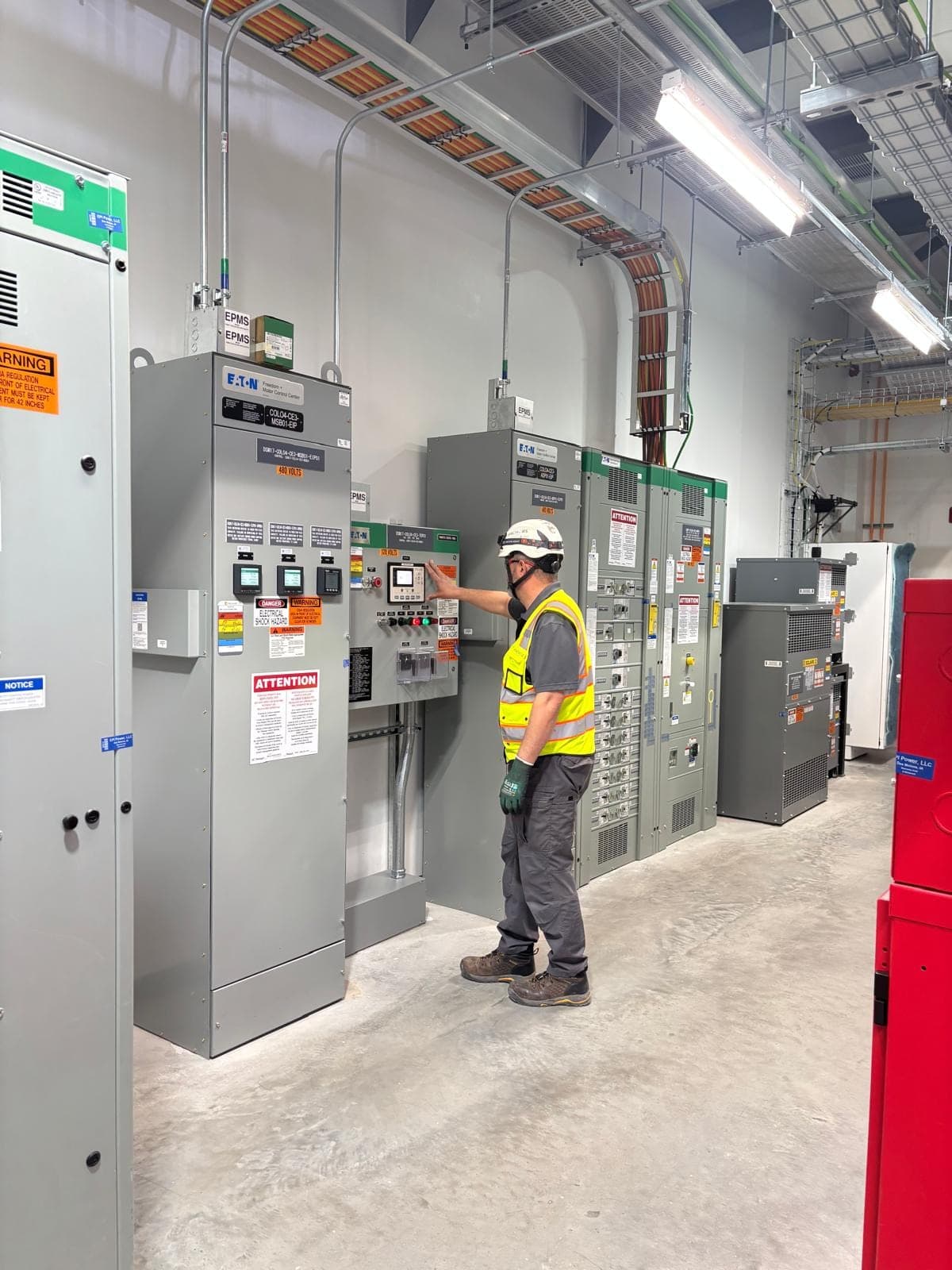
Low Voltage Systems
Full power chain at 600 V and below — from the building service entrance through the rack PDU. Commissioned to ANSI/NETA ATS, maintained to NETA MTS.
- LV switchgear, switchboards, MCCs, panelboards, and transformers
- PDUs, RPPs, Static Transfer Switches, and Automatic Transfer Switches
- Breaker primary/secondary injection, timing, and trip-unit calibration
- Insulation resistance, contact resistance, phasing, and ground integrity
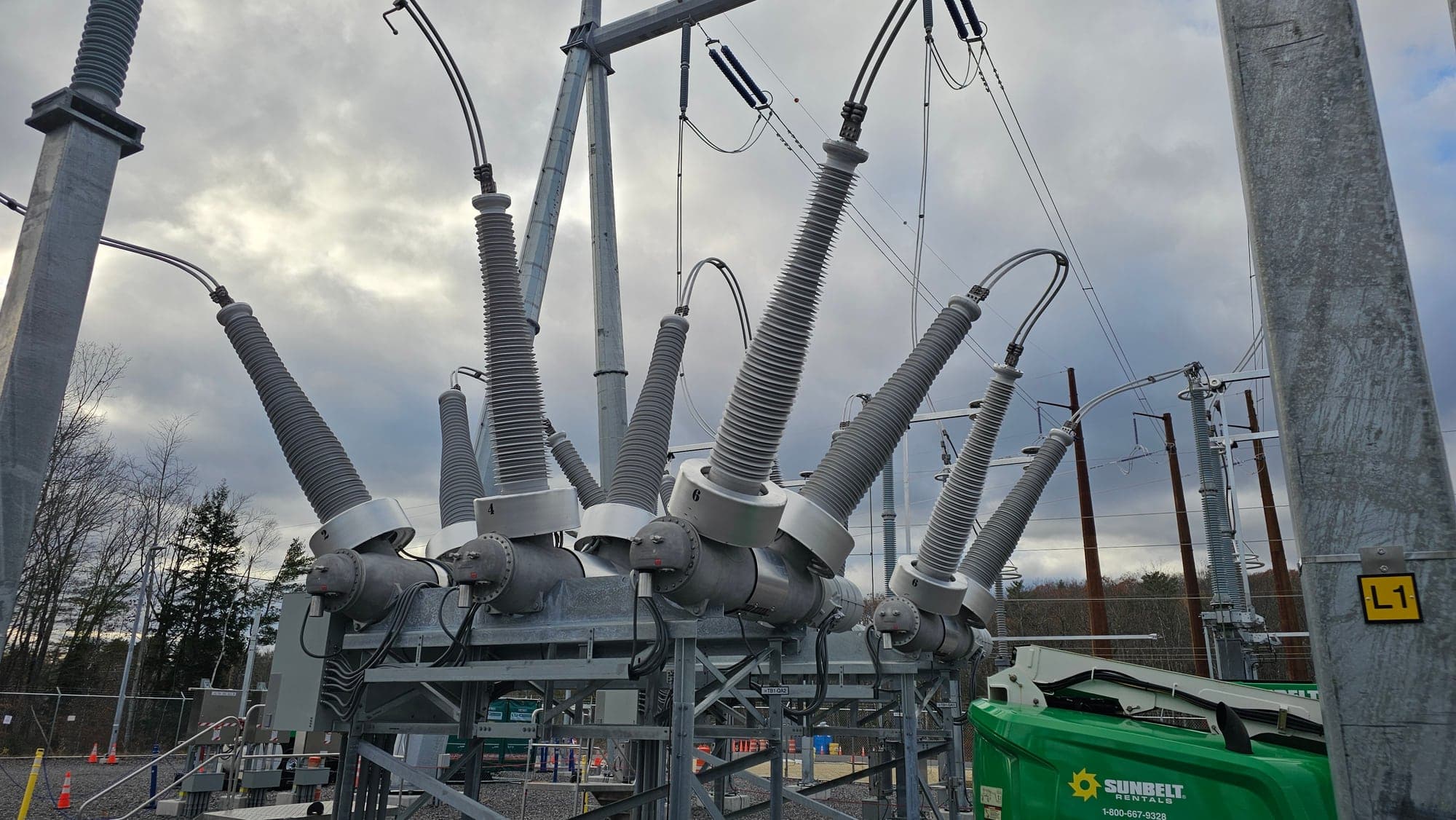
Medium Voltage Systems
5 kV through 38 kV — utility service and primary substation through interior MV switchgear. Led by NETA Level III supervision.
- MV switchgear, vacuum/SF6 breakers, and liquid/dry-type transformers
- VLF withstand, Tan-Delta, and partial-discharge diagnostics on MV cable
- Power-factor/Doble, TTR, SFRA, and winding-resistance testing
- Protective-relay calibration and end-to-end scheme proofs (SEL, GE, Siemens, ABB)
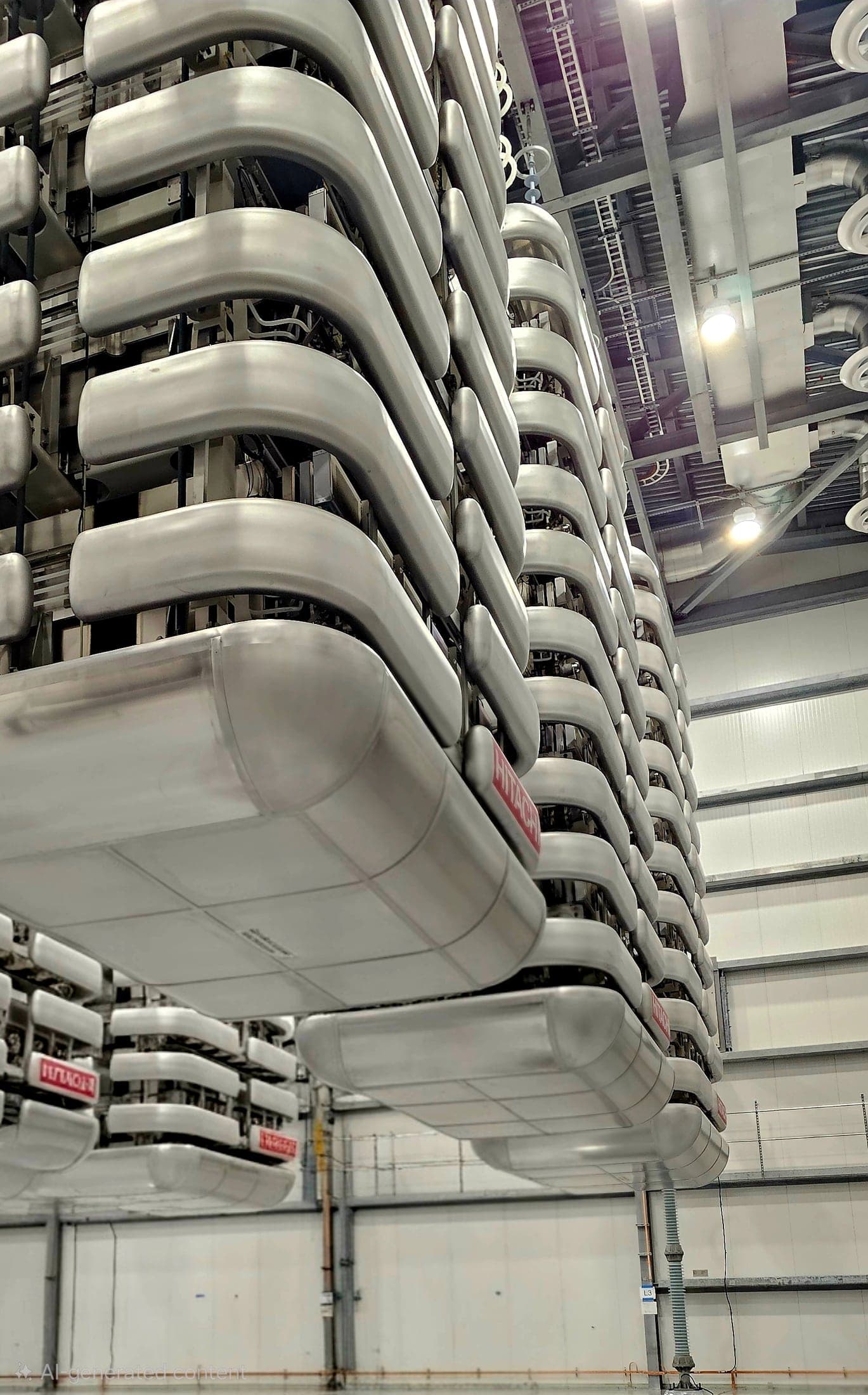
High Voltage Systems
69 kV and above — open-air and gas-insulated substations through HVDC converter halls, commissioned under NETA Level III supervision.
- HV circuit breakers, disconnect switches, and GIS assemblies
- SF6 gas handling — purity, moisture, and leak verification
- Power-factor/Doble, breaker timing and travel, and dynamic-resistance testing
- CT/PT/CCVT verification, bus phasing, and end-to-end protection proofs
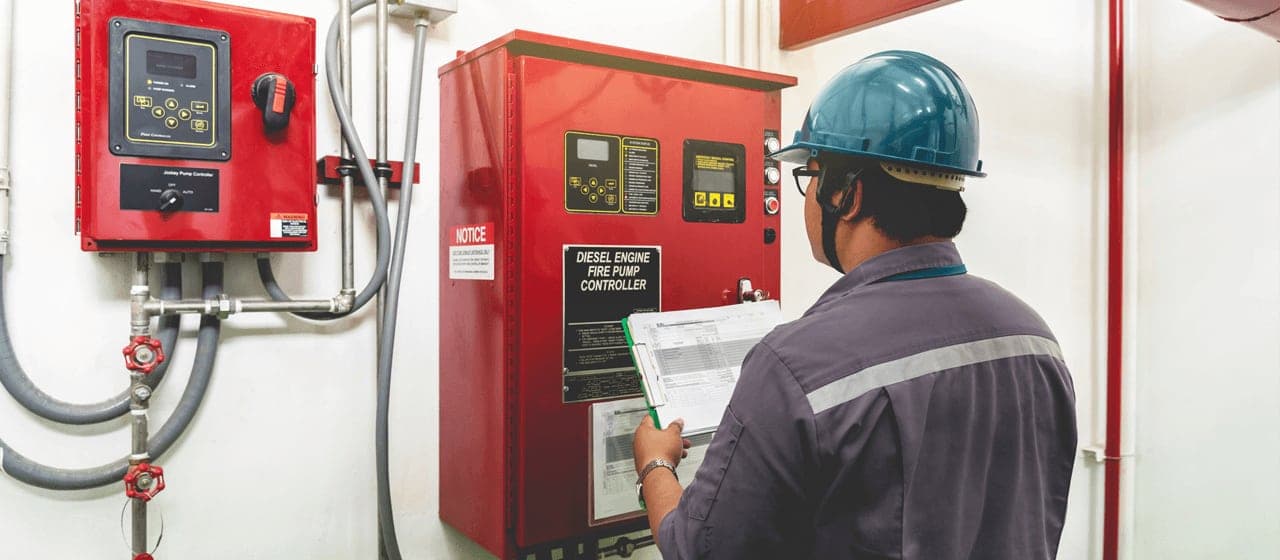
Fire Alarm Systems
Fire detection, notification, and suppression-interface commissioning to NFPA 72, coordinated with vendors and the AHJ.
- 100% device acceptance — functional, sensitivity, and address mapping
- VESDA aspiration flow validation and threshold verification
- Audibility, visibility, and voice-intelligibility testing
- AHJ-witnessed acceptance with Record of Completion
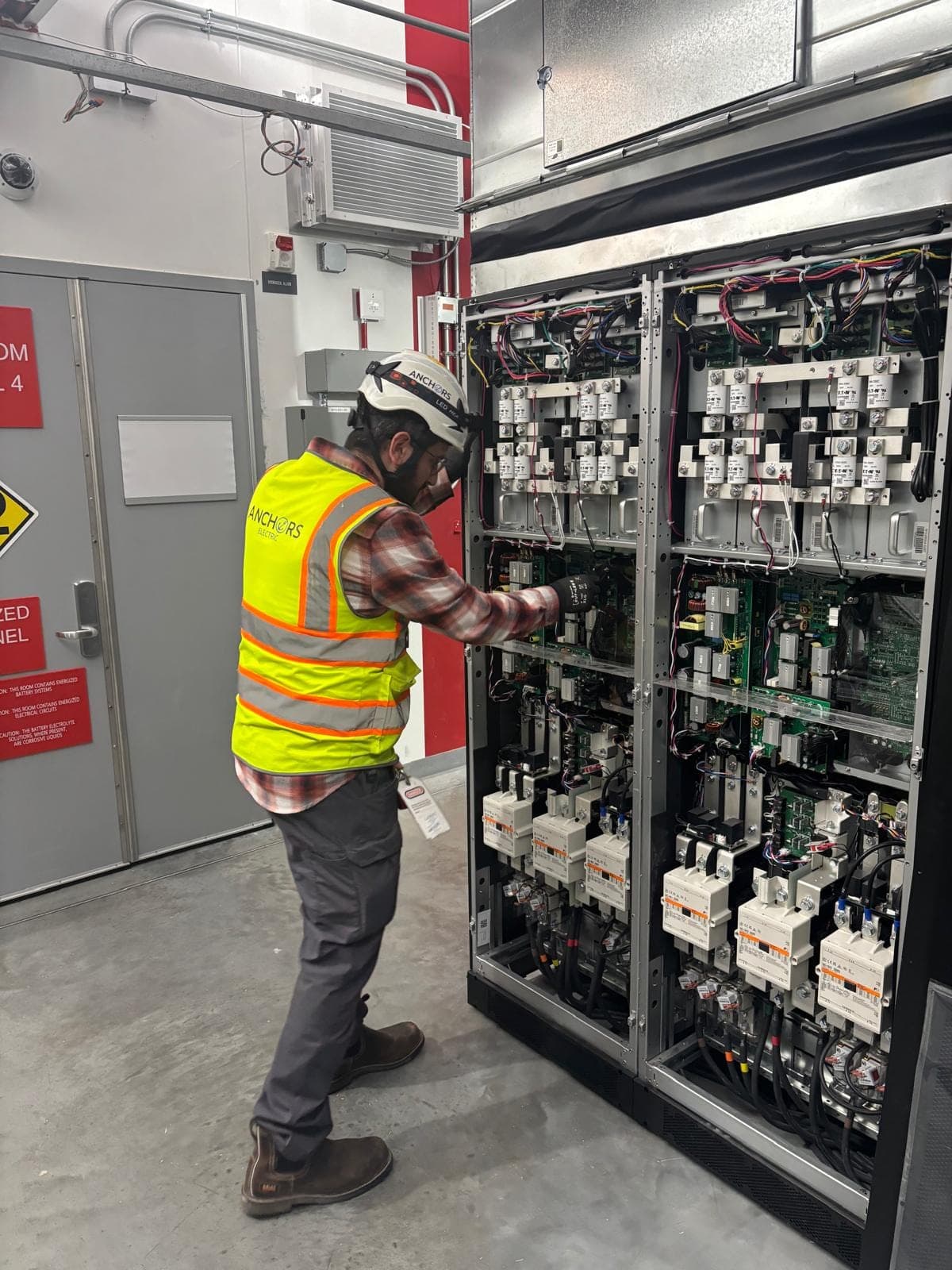
UPS & Battery Systems
Static and rotary UPS systems and battery plants proven to OEM procedure, IEEE 1188 / IEEE 450, and project specification.
- Paralleled and distributed-redundant UPS topologies
- Battery capacity and discharge testing per IEEE 450 / 1188
- Transfer testing, static-switch timing, and runtime verification
- Li-ion BMS verification and thermal-runaway alarm proofing
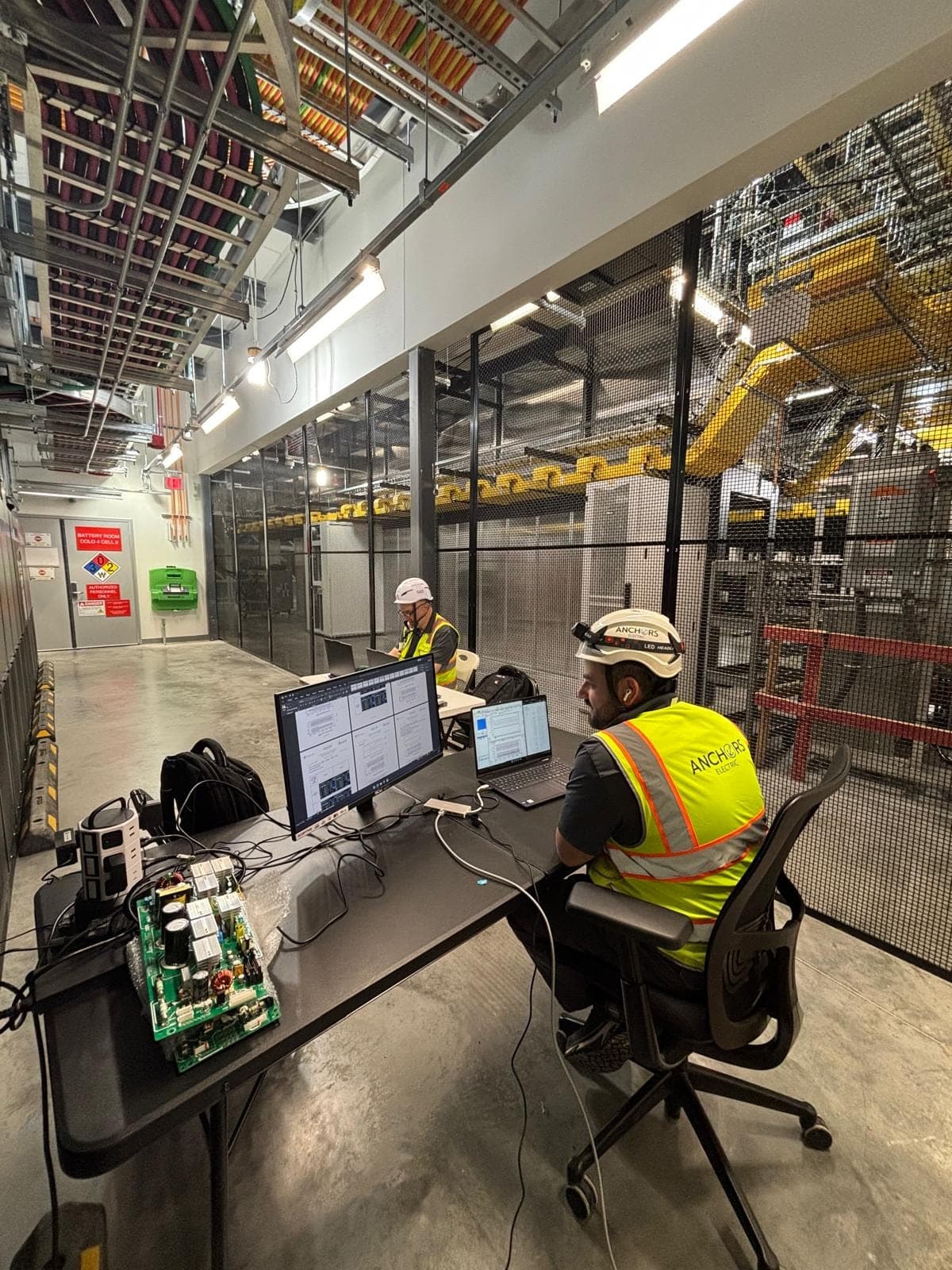
Load Banking
Owned fleet of resistive load banks plus partners for reactive and multi-MW capacity — sized to hyperscale demand.
- Generator acceptance and NFPA 110 block-load step testing
- UPS capacity verification at 25 / 50 / 75 / 100% load
- Burn-in and soak testing — 4-, 8-, and 24-hour profiles
- Building-level integrated load tests from utility to simulated IT load
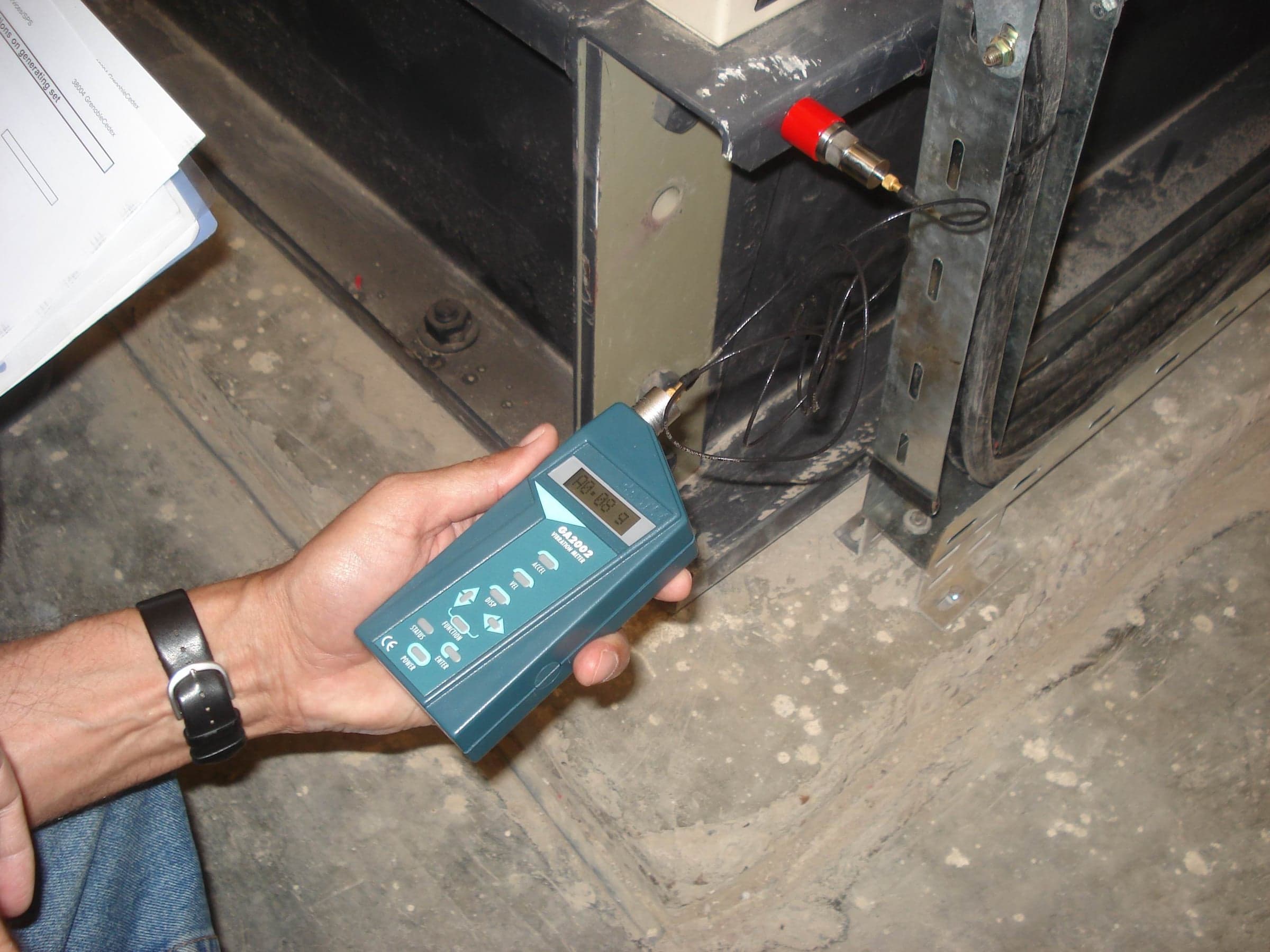
Diesel Generator Systems
Diesel and natural-gas plants from single set through full paralleling schemes — OEM procedure and NFPA 110 Type 10 / Level 1.
- Fuel-system commissioning, leak testing, and gauging calibration
- 10-second start and step-load testing with dip recording
- Paralleling, synchronizing, soft-loading, and isochronous load-share
- Master PLC sequence testing — utility loss, ATS transfer, load priority
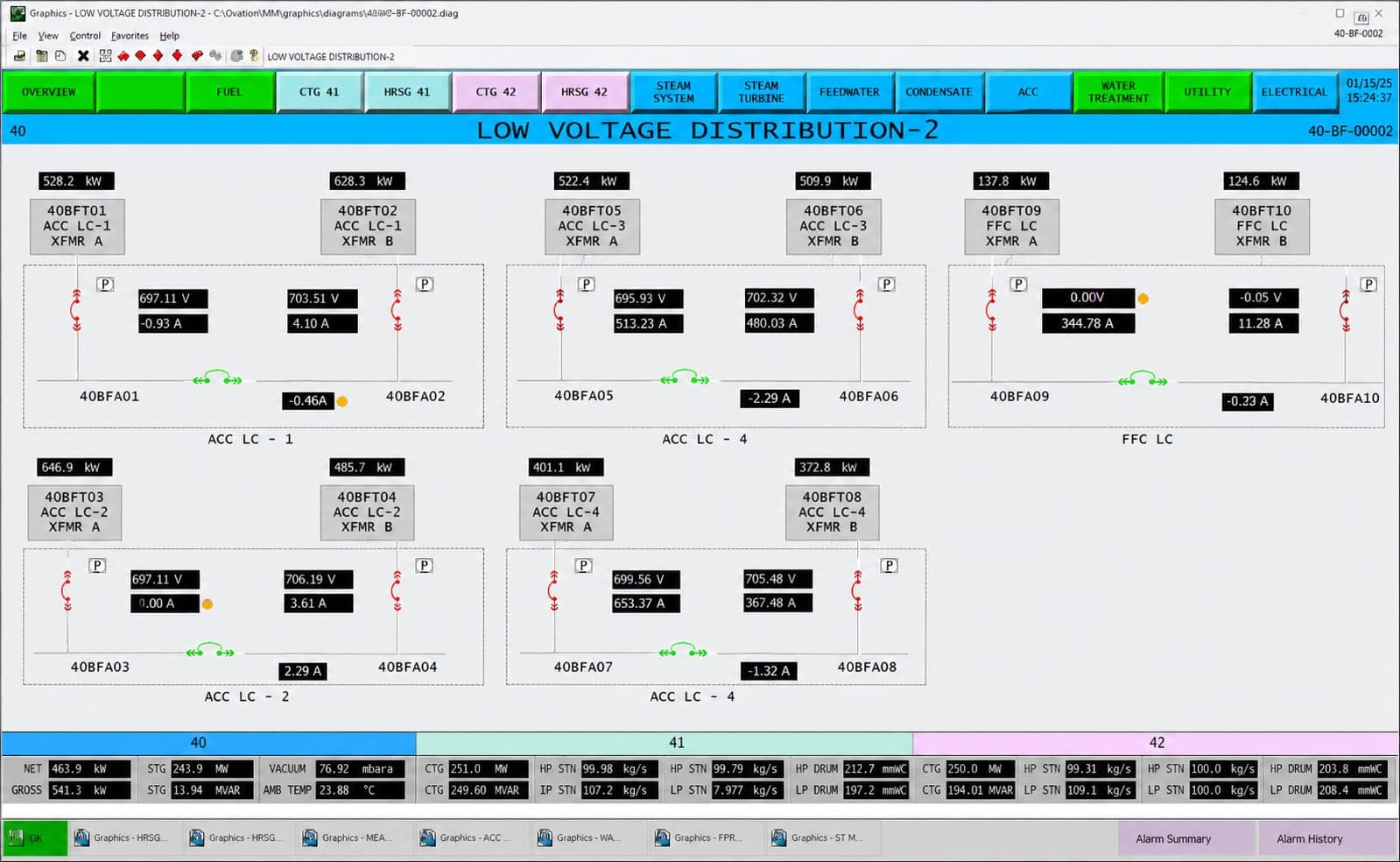
Building Automation Systems
BAS-tied electrical points, sequence integration, and interface verification with EPMS, fire alarm, UPS, and generator controls.
- 100% point-to-point verification with NIST-traceable calibration
- Sequence-of-operations validation witnessed by the owner
- BACnet, Modbus, LonWorks, and OPC UA network verification
- Cybersecurity hygiene checks and owner staff training
Need a scope priced?
Send us the one-line diagram and the schedule — we'll respond with a commissioning plan, not a boilerplate quote.
Request a Quote